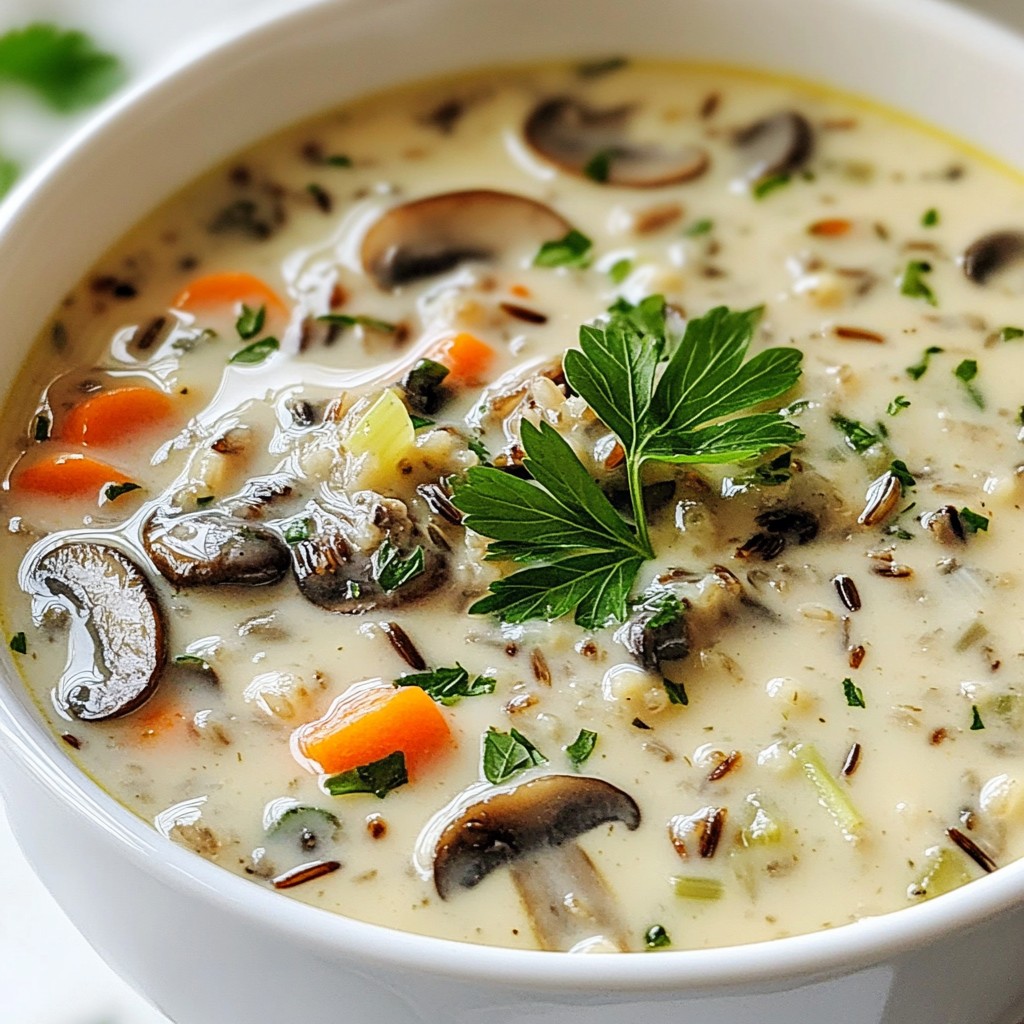
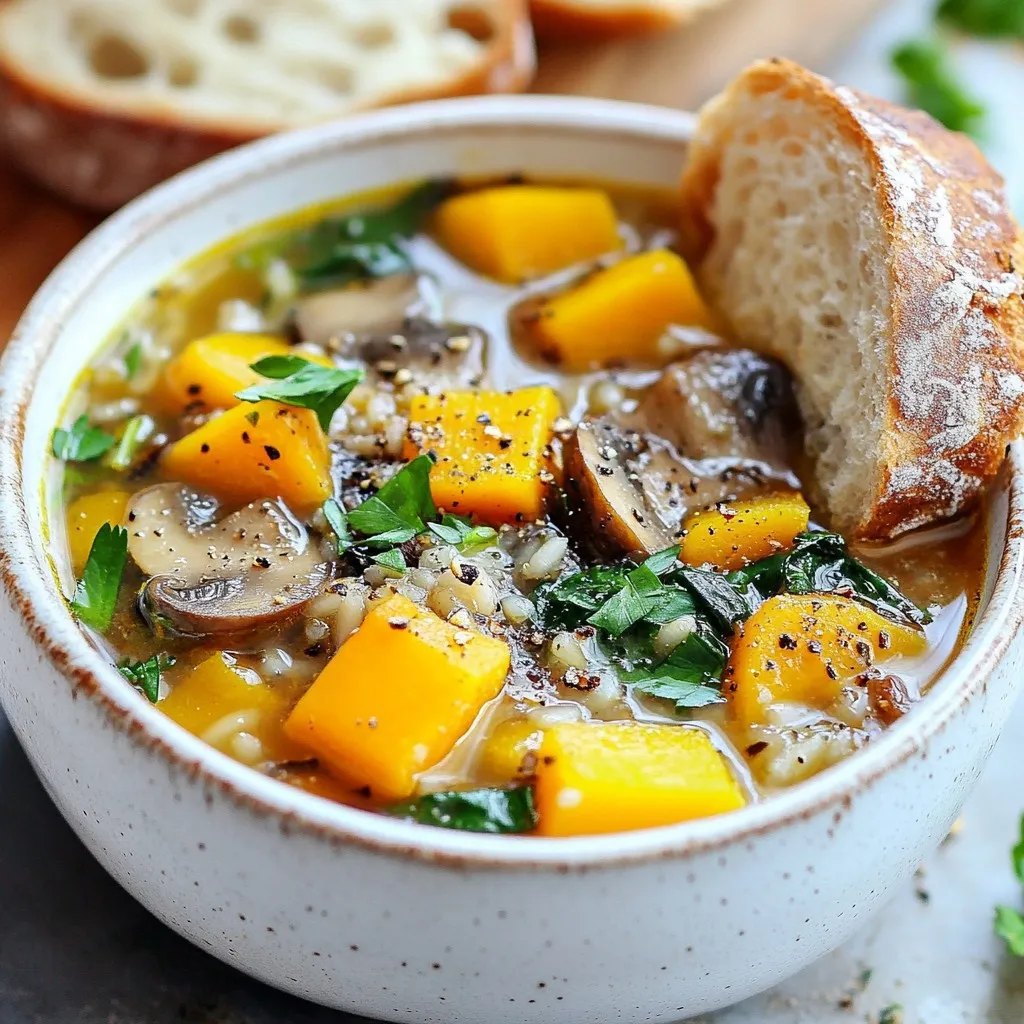
As autumn sets in, there’s nothing quite like the warm embrace of a bowl of Cozy Autumn Wild Rice Soup. This hearty dish combines rich flavors and textures that welcome the season. With simple ingredients and easy steps, you’ll create a comforting meal that warms both heart and home. Ready to immerse yourself in this delightful recipe? Let’s dive into the world of cozy cooking!
Why I Love This Recipe
- Comforting Flavors: This soup embodies the essence of autumn with its warm, earthy flavors and delightful aromas.
- Nutritious Ingredients: Packed with vegetables and whole grains, this recipe is as healthy as it is delicious.
- Easy to Prepare: With simple steps and minimal prep time, this soup is perfect for weeknight dinners.
- Versatile Enjoyment: Whether served as a starter or main dish, this soup pairs wonderfully with crusty bread or a side salad.
Ingredients
Main Ingredients
To make Cozy Autumn Wild Rice Soup, gather these main ingredients:
– 1 cup wild rice, thoroughly rinsed and drained
– 8 cups vegetable broth
– 1 large onion, finely diced
– 2 medium carrots, diced
– 2 celery stalks, diced
– 2 garlic cloves, minced
– 1 cup butternut squash, peeled and diced into small cubes
– 1 cup cremini mushrooms, thinly sliced
– 2 tablespoons extra-virgin olive oil
– 1 cup fresh spinach or kale, roughly chopped
– Fresh parsley, chopped, for garnish
These ingredients create a rich base that feels like a warm hug on chilly days.
Optional Add-ins
You can add more flavor and texture to your soup with these optional items:
– Cooked chicken or turkey for protein
– A splash of cream for richness
– Chopped leeks for a mild onion flavor
– A handful of corn for sweetness
These add-ins let you customize the soup to your taste.
Herb and Spice Suggestions
Enhance the flavor with these herbs and spices:
– 1 teaspoon dried thyme
– 1 teaspoon dried rosemary
– 1/2 teaspoon smoked paprika
– Salt and freshly ground black pepper, to taste
These seasonings bring warmth and depth, making your soup comforting and delicious.

Step-by-Step Instructions
Preparation of Vegetables
Start by gathering all your veggies. You need one large onion, two medium carrots, two celery stalks, and two garlic cloves. Chop the onion finely. Dice the carrots and celery into small pieces. Mince the garlic cloves. You will also want to prepare one cup of butternut squash. Peel it, then cut it into small cubes. Finally, slice one cup of cremini mushrooms thinly.
Cooking the Soup Base
In a large pot, heat two tablespoons of extra-virgin olive oil over medium heat. Once the oil is hot, add the diced onion, carrots, and celery. Sauté these for about five to seven minutes. You want them fragrant and slightly soft. Next, stir in the minced garlic. Cook for one more minute to release its aroma. Be careful not to let it brown. Now, add the diced butternut squash and sliced mushrooms. Stir and cook for another five minutes. This step adds great flavor to your soup base.
Adding Wild Rice and Seasoning
Carefully pour in eight cups of vegetable broth. Then, add one cup of rinsed wild rice. Season the mixture with one teaspoon of dried thyme, one teaspoon of dried rosemary, and half a teaspoon of smoked paprika. Add salt and freshly ground black pepper to taste. Stir everything well to mix all the flavors. Increase the heat and bring the soup to a gentle boil. Then, reduce it to low heat. Cover the pot and let it simmer for 45 to 50 minutes. You want the wild rice to be tender and absorb some broth. After this, stir in one cup of chopped spinach or kale. Cook for another five minutes until the greens are vibrant. Taste the soup and adjust the seasoning if needed. Now, it’s ready to serve!
Tips & Tricks
Enhancing Flavor Profiles
To boost the taste of your wild rice soup, use fresh herbs. Fresh thyme and rosemary give a bright flavor. You can also add a splash of lemon juice for a zesty kick. Try using roasted garlic instead of fresh for a sweet, rich taste. Adding a touch of soy sauce or miso can deepen the umami flavor.
Cooking Techniques for Wild Rice
Wild rice takes longer to cook than white rice. Rinse it well to remove any grit. Use a large pot for even cooking. Bring the broth to a boil before adding the wild rice. This helps it cook faster. Keep the heat low to prevent it from boiling too hard. Stir occasionally for a fluffy texture.
Serving Suggestions
Serve your soup in warm, rustic bowls. Top each bowl with fresh parsley for a pop of color. Consider adding a dollop of cream for richness. Pair it with crusty bread for dipping. You can also offer a side salad for a complete meal. Enjoy the cozy feeling of autumn with each warm spoonful!
Pro Tips
- Use Fresh Herbs: Fresh herbs can elevate the flavor profile of your soup. Consider adding a handful of fresh thyme or rosemary just before serving for a burst of freshness.
- Make It Creamy: For a creamier texture, stir in a splash of coconut milk or heavy cream just before serving. This adds richness that complements the earthy flavors.
- Customize Your Veggies: Feel free to add or substitute other seasonal vegetables like parsnips, sweet potatoes, or green beans to make the soup your own.
- Storage Tips: This soup stores well in the refrigerator for up to 5 days. You can also freeze it for up to 3 months; just be sure to leave out any greens until reheating.
Variations
Protein Additions
You can boost the protein in your wild rice soup with easy additions. Try adding shredded chicken or turkey for a heartier meal. Ground sausage or turkey also works well. If you want a meatless option, consider adding chickpeas or lentils. These options add texture and flavor while making the soup more filling.
Vegan and Vegetarian Adjustments
This soup is already a great choice for vegetarians. To make it vegan, simply omit any animal products. Use vegetable broth and skip the cream topping. You can enhance the flavor with a splash of lemon juice or a dash of soy sauce. These changes keep the soup rich while adhering to a vegan diet.
Seasonal Ingredient Swaps
The beauty of this soup lies in its flexibility. In fall, butternut squash shines, but you can swap it for sweet potatoes or pumpkin. Use kale in winter for its heartiness. In spring, fresh peas or asparagus bring brightness to the dish. Adapt the recipe with what you have on hand for a fresh twist each season.
Storage Info
Refrigeration Guidelines
After you make this soup, let it cool. Pour the soup into an airtight container. It will last in the fridge for about 3 to 4 days. Make sure the soup is cool before sealing the container. This keeps it fresh and safe to eat later.
Freezing Instructions
You can also freeze this soup for longer storage. Use freezer-safe containers or bags. Leave some space at the top, as soup can expand. It will stay good in the freezer for up to 3 months. When ready to eat, thaw it in the fridge overnight before reheating.
Reheating Tips
Reheat your soup gently on the stove. Add a splash of broth if it seems thick. Stir often to heat it evenly. You can also microwave it. Use a microwave-safe bowl and cover it loosely. Heat in short bursts, stirring in between. Enjoy this cozy soup warm and comforting!
FAQs
Can I use brown rice instead of wild rice?
Yes, you can swap brown rice for wild rice. Brown rice has a different texture and flavor. It cooks faster than wild rice, so adjust your cooking time. Use about 30 to 40 minutes for brown rice. Keep an eye on it to avoid mushiness. The soup will still taste great!
How do I make this soup gluten-free?
To make this soup gluten-free, focus on the broth. Ensure you use gluten-free vegetable broth. Most brands are gluten-free, but always check the label. All the other ingredients listed are naturally gluten-free. This makes it easy to enjoy.
What can I substitute for vegetable broth?
If you need a substitute for vegetable broth, try using water with seasonings. Add salt, herbs, and spices to give it flavor. You can also use chicken broth if you want a non-vegetarian option. Homemade broth works too, as long as it fits your taste.
In this post, we explored how to create a delicious wild rice soup. We covered the main ingredients, optional add-ins, and herb and spice suggestions. You learned step-by-step instructions for preparing vegetables, cooking the soup base, and adding wild rice. I shared tips to enhance the flavor and techniques for cooking wild rice. You also found variations for proteins and seasonal swaps. Lastly, we went over storage tips and answered common questions. Now, you have all the tools to make a tasty soup, perfect for any occasio